




Food Ordering Solutions for High-Growth F&B Businesses

Custom food ordering and delivery systems that unify your website, apps, QR menus, and delivery partners into one backend, so you own the customer relationship instead of renting it from marketplaces.

food ordering solutions development

OVERVIEW

How digital Food Ordering systems work in F&B businesses

A food ordering system is the customer-facing layer that turns online demand into fulfilled orders. It lets diners browse and order across web, mobile app, and QR menus, then routes every order into one backend where you control menus, pricing, payments, and delivery workflows across all channels at once.

For any F&B brand taking orders across more than one channel, this layer is what keeps menus, stock, and pricing consistent from the first tap to the kitchen ticket.

CHALLENGES

Common challenges in
Online Ordering & Food Delivery operations

Fragmented order channels

Orders land separately from your website, apps, QR menus, GrabFood and ShopeeFood, so staff re-key them by hand and end-of-day reconciliation rarely matches.

High reliance on delivery marketplaces

Leaning on delivery marketplaces hands them your margin and your customer data, leaving no direct channel to re-market to the diners they bring you.

Delivery is hard to control

As order volume grows, dispatching drivers, drawing delivery zones, setting distance-based fees, and tracking riders in real time quickly outgrows spreadsheets.

Inconsistent menus and pricing

Editing each channel by hand means a sold-out dish or a price change reaches some apps hours late, so customers order items you cannot fulfill.

Off-the-shelf tools lack flexibility

Packaged ordering apps cap how far you can integrate with your POS, loyalty, and accounting stack, and you hit that ceiling right when you start to scale.

BENEFITS

Why custom Online Ordering solutions drive better results

Custom-built ordering systems help businesses:

  • Win direct online orders instead of paying marketplace commission on every ticket
  • Cut manual re-keying and the order errors it causes
  • Tighten delivery with zone rules, driver dispatch, and live tracking
  • Keep menus, pricing, and availability identical across every channel
  • Own first-party order and customer data for loyalty and re-marketing
benefits of food ordering solution development

Build scalable Ordering Systems with Adamo Software!

OUR SERVICES

Ordering & Delivery Solutions we deliver

custom food ordering and delivery application development

Custom food ordering & delivery applications

Branded web and mobile ordering apps for pickup, delivery, dine-in, and scheduled orders, running on your own brand and domain.

centralized order and menu management system development

Centralized order & menu management

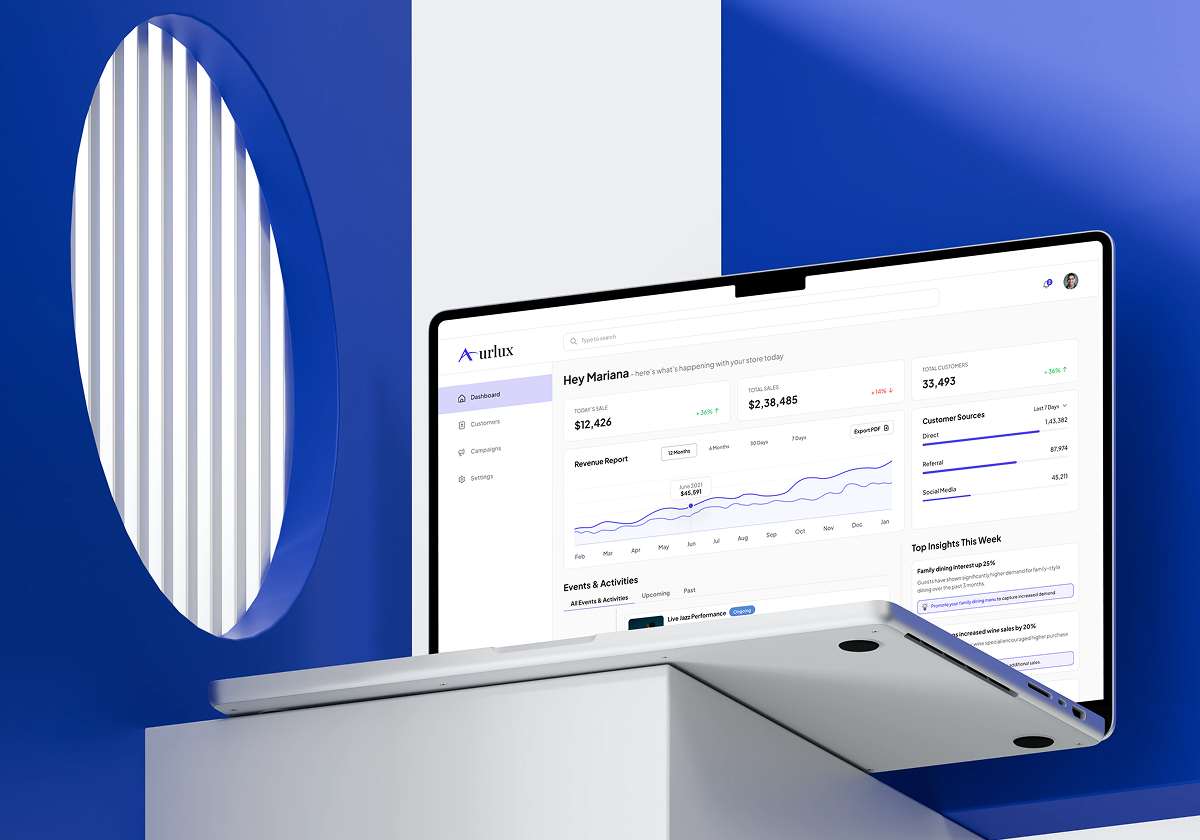
One dashboard to update menus, pricing, and availability once and push them to every channel instantly.

delivery operation and dispatch management system development

Delivery operations & dispatch management

Zone rules, driver assignment, route optimization, and real-time order tracking in one operations view.

third-party delivery platform development

Third-party delivery platform connectivity

Two-way integration with GrabFood, ShopeeFood, and other marketplaces so orders and menus stay in sync automatically.

Omnichannel customer ordering system development

Omnichannel customer ordering experiences

QR, self-order kiosk, web, and in-store tablet ordering all feeding one order queue.

Payment promotion & customer retention tools development

Payment, promotion & customer retention tools

Integrated payment gateways, promotions, loyalty programs, and digital vouchers that run on your first-party data.

WHO WE SERVE

Who benefits from Digital Food Ordering Systems

FAQ

Frequently Asked Questions

What is a food ordering app and how does it work?

A food ordering app is a digital platform that lets customers browse menus, place orders, and pay online from their phone or computer. On the backend, the system routes each order to the restaurant’s kitchen, triggers delivery dispatch if applicable, and updates order status in real time. It connects customer-facing interfaces (web, mobile app, QR code) with operational systems like POS, kitchen display, and delivery management.

Development cost depends on scope, platform (iOS, Android, or both), and number of integrations. A basic MVP with menu display, ordering, and payment processing typically ranges from $25,000–$50,000. A full-featured platform with driver management, real-time tracking, multi-location support, and third-party delivery integration can cost $80,000–$200,000 or more. Starting with an MVP and expanding in phases is the most cost-effective approach.

Third-party platforms handle everything for you but charge 15–30% commission per order, control the customer relationship, and limit your access to customer data. A custom food ordering app gives you full ownership — you set your own commission structure (or none), collect customer data directly for marketing and loyalty, and customise the ordering experience to match your brand. The tradeoff is upfront development cost, but long-term unit economics typically favour owned platforms for businesses with consistent order volume.

Core features include menu management with real-time availability, shopping cart with order customisation, secure online payment processing, order tracking with status updates, and an admin panel for managing orders and menus. Advanced features depend on business model — delivery businesses need driver dispatch and route optimisation, restaurant chains need multi-location menu management, and cloud kitchens may require integration with multiple virtual brand storefronts under one kitchen operation.

Yes. A well-built food ordering system connects to your existing POS so that online orders flow directly into your kitchen workflow without manual re-entry. It can also integrate with third-party delivery platforms like GrabFood or ShopeeFood for order and menu sync, as well as payment gateways, accounting software, and CRM tools. The goal is a unified system where all channels feed into one operational backend.

A functional MVP typically takes 3–4 months to develop, covering core ordering, payment, and basic admin features. A full platform with delivery management, multi-channel support, analytics, and third-party integrations usually takes 5–8 months. Timeline depends on design complexity, number of integrations, and whether you need both iOS and Android native apps or a cross-platform solution.