
Android Digital Wallets: 5 best options compared and how to build your own
Compare 5 Android digital wallets by security, fees, and real-world limitations. Plus: what it takes to build a custom digital wallet app in 2026.
Digital wallets processed over $10 trillion in global transactions in 2024, and usership is projected to reach 5.2 billion people by 2026 (Source: Capital One Shopping, 2026). On Android specifically, the shift is accelerating: 32% of all global point-of-sale transactions now use digital wallets, more than any other payment type including credit cards (Source: SQ Magazine, 2026). This article compares 5 of the most widely used Android digital wallets based on security, fees, compatibility, and real-world limitations, then covers what it takes to build a custom digital wallet from scratch.
Key Takeaways:
- Google Wallet leads in Android ecosystem integration with NFC tokenization and support for loyalty cards, boarding passes, and transit tickets. However, its P2P payment functionality is limited compared to dedicated transfer apps like Venmo and Cash App.
- PayPal remains the most globally available Android digital wallet, operating in over 200 countries, but its merchant fee structure (2.99% per transaction) makes it expensive for frequent small transfers.
- The global mobile wallet market is valued at $12.85 billion in 2025 and projected to reach $104.69 billion by 2034, growing at a CAGR of 26.30% (Source: Precedence Research, 2025). QR code payments alone are expected to constitute 48.6% of all digital wallet transactions by volume in 2026.
- Building a custom Android digital wallet requires payment gateway integration, NFC tokenization, KYC/AML compliance, and multi-currency support. Adamo Software has integrated payment systems including Stripe, PayPal, Apple Pay, Google Pay, Alipay, and WeChat Pay across travel and healthcare platforms serving users in Australia, China, Singapore, and Dubai.
- Cash App and Venmo dominate the U.S. P2P market but have limited international availability. Samsung Wallet offers the strongest biometric security layer among Android digital wallets but restricts full functionality to Samsung Galaxy devices.
How Android Digital Wallets Work in 2026
An Android digital wallet stores payment credentials, typically credit or debit card details, in a secure element on the device or in cloud-based tokenized form. When a user makes a payment, the wallet generates a one-time token that replaces the actual card number, reducing fraud risk. Payments are authenticated through device-level security such as fingerprint, face recognition, or PIN.
The core capabilities of Android digital wallets in 2026 extend beyond payments. Most now support NFC contactless transactions at physical terminals, QR code-based payments for markets where NFC terminal adoption is lower, peer-to-peer money transfers between individuals, storage of loyalty cards, boarding passes, event tickets, and transit cards, as well as integration with banking apps for balance checks and transaction history.
The technology underlying these wallets varies. Google Wallet uses Host Card Emulation (HCE) for NFC payments, which means it does not require a hardware secure element. Samsung Wallet, in contrast, previously used both NFC and Magnetic Secure Transmission (MST), though MST has been deprecated on newer Samsung devices. PayPal and Venmo operate primarily as cloud-based wallets that link to bank accounts and cards rather than using device-level NFC.
5 Android Digital Wallets Compared: Security, Fees, and Limitations
1. Google Wallet
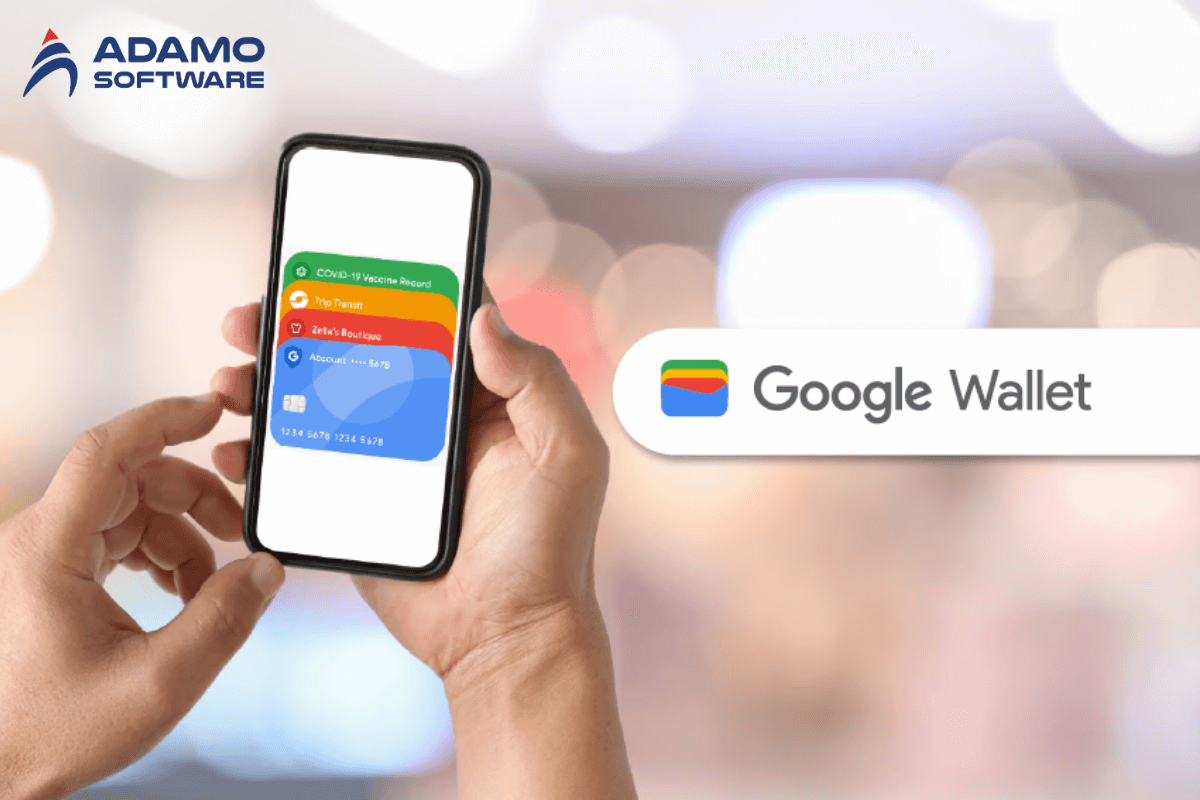
Google Wallet is the default Android digital wallet, pre-installed on most Android devices running Android 9 or later. It supports NFC contactless payments at over 70 million merchant locations worldwide, and stores credit cards, debit cards, loyalty programs, boarding passes, government IDs (in supported regions), and transit cards.
Security is handled through tokenization: Google Wallet never transmits actual card numbers to merchants. Each transaction uses a virtual account number combined with a one-time security code. Device-level authentication (fingerprint, face unlock, or PIN) is required before every payment.
The trade-off: Google Wallet’s P2P transfer functionality is limited in most markets outside the U.S. It works well as a payment tool and card organizer, but users who need frequent person-to-person transfers will likely need a second app. Merchant acceptance for NFC payments also varies significantly by region, with lower adoption in parts of Southeast Asia, Latin America, and Africa where QR code-based digital payment methods dominate.
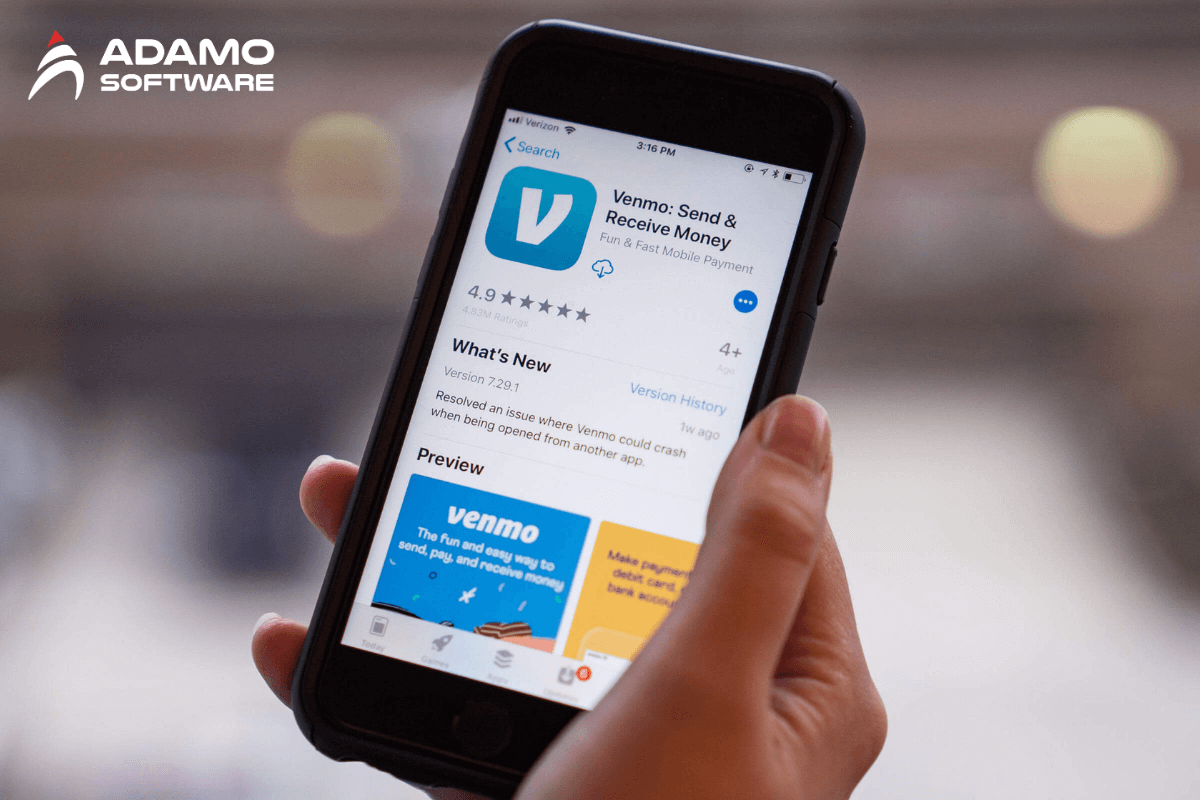
2. Venmo
3. PayPal
PayPal operates in over 200 countries and supports 25 currencies, making it the most internationally accessible Android digital wallet. It functions as both a P2P transfer tool and an online checkout method accepted by millions of merchants. PayPal’s Purchase Protection program covers eligible transactions, adding a layer of buyer security that most other Android digital wallets do not offer.
PayPal also supports in-store contactless payments via NFC on Android in select markets, and its integration with e-commerce platforms (Shopify, WooCommerce, Magento) makes it a default checkout option for online purchases.
The trade-off: fees are significant. Sending money to friends and family using a linked bank account is free in most markets, but paying with a credit card or sending internationally incurs fees of 2.99% or more per transaction. PayPal’s merchant fees are also higher than many competitors, which is why some smaller businesses avoid it. Account freezes and holds have been a longstanding user complaint, particularly for business accounts receiving large volumes of payments.
4. Cash App
Cash App combines P2P payments with stock and Bitcoin trading, making it a hybrid financial tool rather than a pure digital wallet. Its Cash Card, a free Visa debit card linked to the Cash App balance, allows users to spend at any merchant that accepts Visa. Cash Boosts provide instant discounts at participating retailers, which is a feature unique to Cash App among Android digital wallets.
Cash App’s interface is designed for speed: sending money requires only a username ($Cashtag) or phone number, and transfers between Cash App users are instant.
The trade-off: Cash App operates only in the United States and the United Kingdom. Payments are irreversible once sent, meaning there is no chargeback protection if money is sent to the wrong person. Customer support has been consistently criticized in user reviews as slow and difficult to reach. Additionally, Cash App does not support NFC in-store payments directly. Users must use the Cash Card for physical transactions.
5. Samsung Wallet
Samsung Wallet offers the deepest hardware integration of any Android digital wallet, leveraging Samsung’s Knox security platform for device-level encryption. It supports NFC payments, digital keys (car, home, hotel), government IDs, and cryptocurrency storage through Samsung Blockchain Wallet integration.
Samsung Wallet’s biometric authentication layer is tied directly to the device’s secure enclave, providing stronger security isolation than software-only solutions. Samsung Pay, the payment component within Samsung Wallet, is accepted wherever NFC contactless payments are supported.
The trade-off: full functionality is restricted to Samsung Galaxy devices. Users who switch to a non-Samsung Android phone lose access to Samsung Wallet features entirely. Samsung also deprecated MST technology in 2022, which previously allowed payments at terminals that only supported magnetic stripe cards. This removes a competitive advantage Samsung Wallet previously had over Google Wallet in markets with older payment terminals.
Ready to Outsource?
Discover how we can transform your business with expert IT solutions.
What It Takes to Build a Custom Android Digital Wallet
The 5 wallets reviewed above serve broad consumer markets, but businesses in fintech, travel, healthcare, and e-commerce often need payment functionality tailored to specific workflows. Building a custom Android digital wallet involves several critical technical and regulatory components.
Payment Gateway Integration
A custom digital wallet must connect to one or more payment gateways to process transactions. This means integrating with providers such as Stripe, PayPal, Braintree, or Adyen, each with their own API structure, authentication flow, and settlement timeline. For wallets targeting international users, multi-gateway integration is essential. A platform serving users in both Australia and China, for example, needs to support Stripe and PayPal alongside Alipay and WeChat Pay simultaneously.
Adamo Software built a global air experience booking platform serving Australia and China that integrates Alipay, WeChat Pay, PayPal, and Apple Pay into a single payment system. The engineering challenge was supporting multiple payment gateways concurrently with minimal code changes while maintaining a daily data-synchronization pipeline between dual databases. This multi-gateway architecture is directly applicable to any custom digital wallet targeting cross-border transactions.
Tokenization and Security
Every digital wallet must protect payment credentials. Tokenization replaces sensitive card data with unique identifiers that are useless if intercepted. For NFC-based Android wallets, Host Card Emulation (HCE) is the standard approach, allowing the app to emulate a contactless card without requiring a hardware secure element.
Beyond tokenization, a production-grade wallet requires PCI DSS compliance, end-to-end encryption for data in transit and at rest, biometric authentication (fingerprint, face recognition), and fraud detection systems that flag unusual transaction patterns.
Multi-Currency and Cross-Border Support
Digital wallets serving international users must handle currency conversion, local payment method preferences, and region-specific regulatory requirements. This includes real-time exchange rate APIs, support for local payment rails (UPI in India, PIX in Brazil, FedNow in the U.S.), and compliance with local financial regulations.
Adamo Software developed a B2B travel distribution platform that aggregates over 2 million hotels and accommodations globally, with a dynamic pricing algorithm that continuously tracks post-booking price changes across providers. The platform manages invoices with currency compatibility across all countries from a single dashboard. This cross-border financial architecture demonstrates the type of multi-currency transaction handling required for a custom digital wallet.
KYC/AML Compliance
Any digital wallet that processes financial transactions must implement Know Your Customer (KYC) and Anti-Money Laundering (AML) procedures. This includes identity verification during account creation, transaction monitoring for suspicious patterns, and reporting requirements that vary by jurisdiction. In the United States, digital wallets fall under FinCEN regulations. In Europe, the Payment Services Directive (PSD2) governs wallet operations. In Australia, AUSTRAC regulates digital payment providers.
Recommended Tech Stack
Based on Adamo Software’s fintech and payment integration experience across multiple projects:
- Frontend: React Native or Kotlin for Android-native performance
- Backend: Node.js or Python (Django/FastAPI) for transaction processing
- Database: PostgreSQL for transactional data, Redis for session management and caching
- Payment APIs: Stripe, PayPal, Braintree, Alipay, WeChat Pay (region-dependent)
- Security: HCE for NFC tokenization, AES-256 encryption, OAuth 2.0 for authentication
- Cloud: AWS or Google Cloud with PCI DSS-compliant hosting
- Fraud Detection: Rule-based systems supplemented with ML-based anomaly detection
Conclusion
The Android digital wallet market in 2026 is split between ecosystem-integrated wallets like Google Wallet and Samsung Wallet that prioritize in-store NFC payments, and cloud-based platforms like PayPal, Cash App, and Venmo that focus on P2P transfers and online checkout. No single wallet covers every use case well, which is precisely why the global mobile wallet market is growing at 26.30% annually. For businesses that need payment functionality embedded into industry-specific workflows, whether that is multi-currency travel bookings, healthcare billing, or cross-border e-commerce, a custom digital wallet built around specific transaction flows and compliance requirements outperforms any general-purpose consumer app.
Build a Digital Wallet That Fits Your Business
Adamo Software has integrated Stripe, PayPal, Apple Pay, Alipay, and WeChat Pay into production platforms across travel, healthcare, and e-commerce. From multi-gateway payment architecture to PCI DSS-compliant transaction processing, Adamo Software’s engineering team builds fintech solutions that handle real money across real borders.
Are you all set to advance your digital wallet with technical innovations? Contact Adamo Software today for a consultation about finance software development!


 adamosoft.com
 (+84) 373 11 44 88