
Custom Software Development Services

Next-gen software development built on deep expertise.

OVERVIEW

End-to-end custom software development driving business transformation

Software innovation is redefining how modern organizations operate, powering long-term digital transformation. With decades of technical expertise across industries, we help enterprises, SMBs, and startups build tailored solutions that solve real business challenges, integrate responsibly with AI, and unlock the full value of their data.

SERVICES

Delivering transparency and flexibility across all software development services

01/07

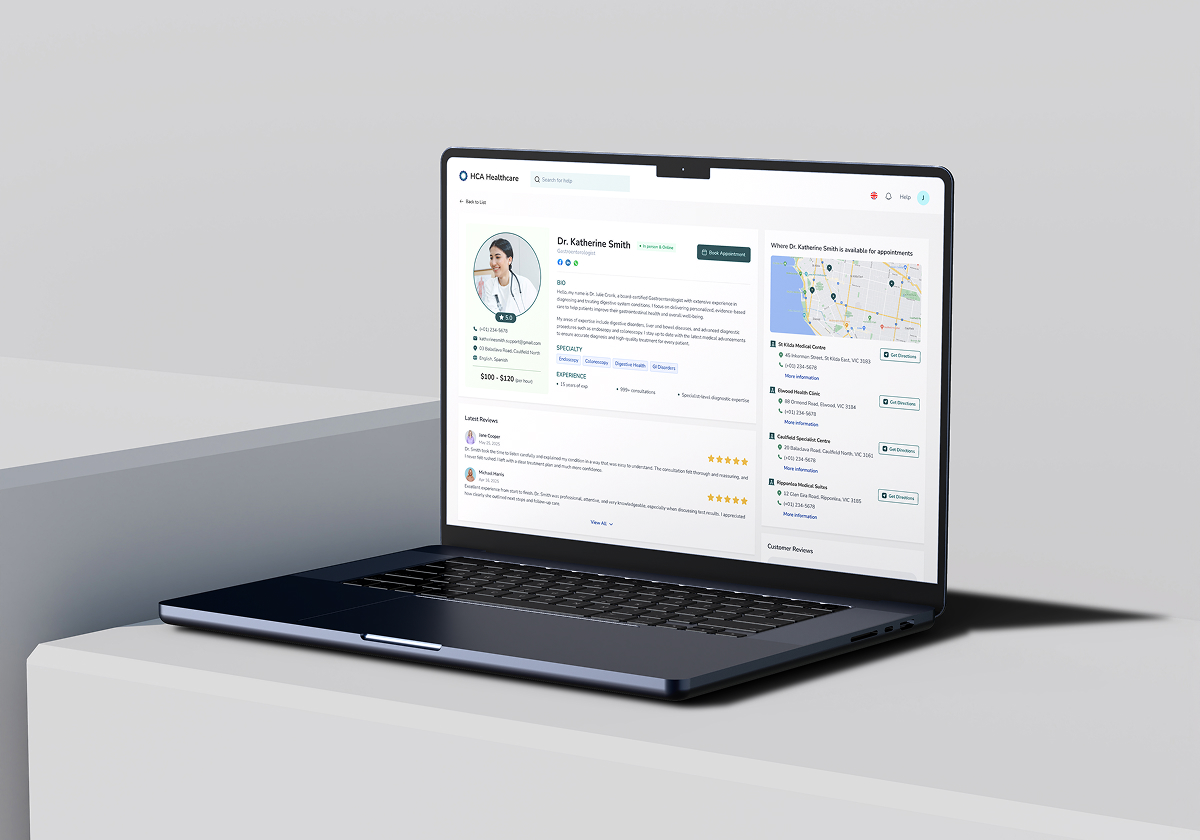
Custom software development

We turn your business requirements into powerful, tailored software solutions. From initial design and consulting to full-scale development, deployment, and ongoing post-launch support, we deliver scalable, secure, and flexible applications with rich functionality that integrate smoothly into your existing systems.

custom software development service

02/07

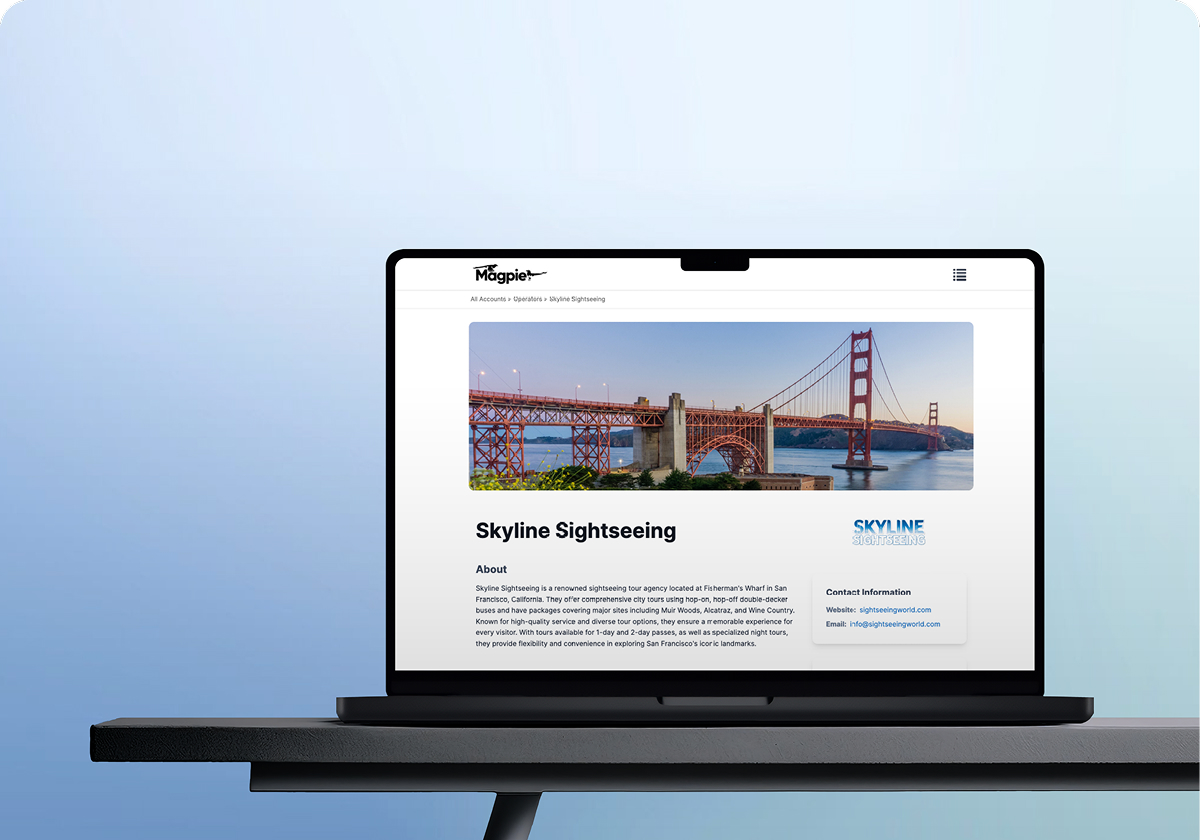
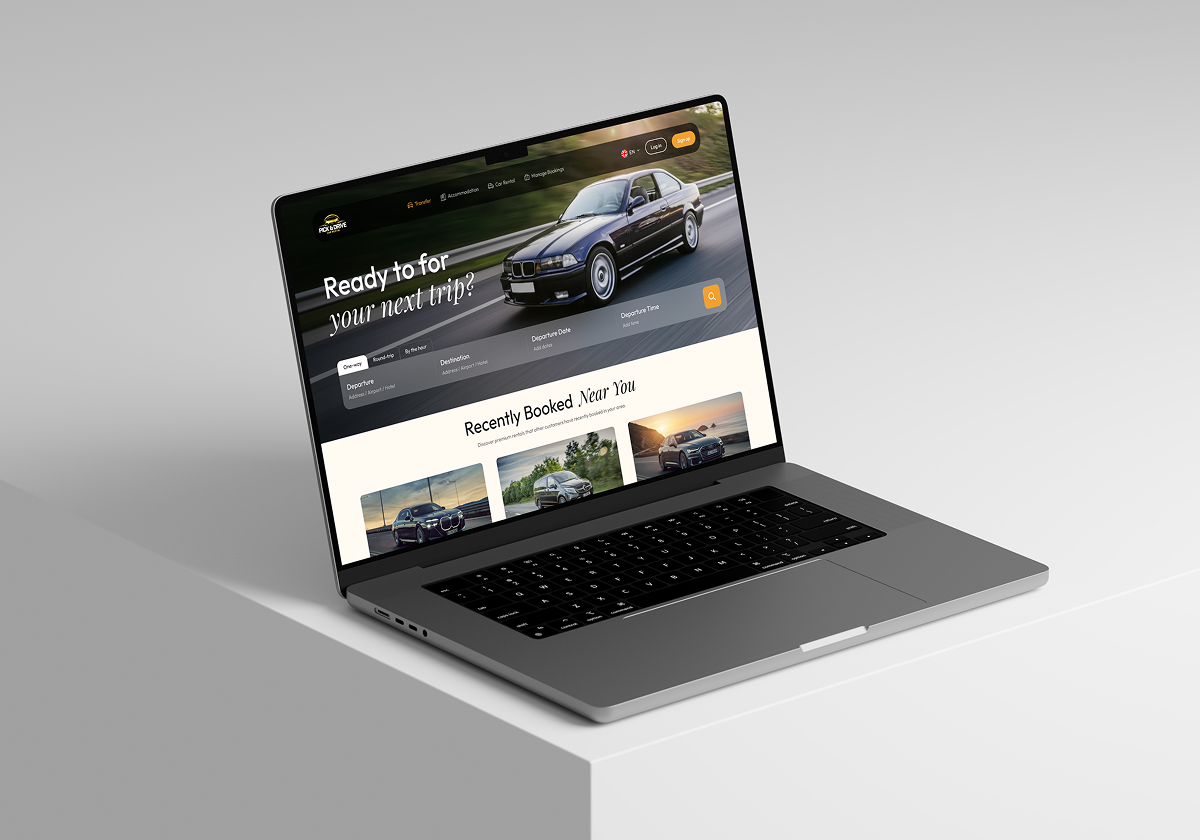
Web app development

We offer a wide range of tailored web-app development services crafted by experienced specialists to elevate your online presence and bring your product vision to life from the ground up. With a team of 200+ senior developers, we build custom web applications that deliver all the features you need while translating your brand attributes.

Learn More

web app development service

03/07

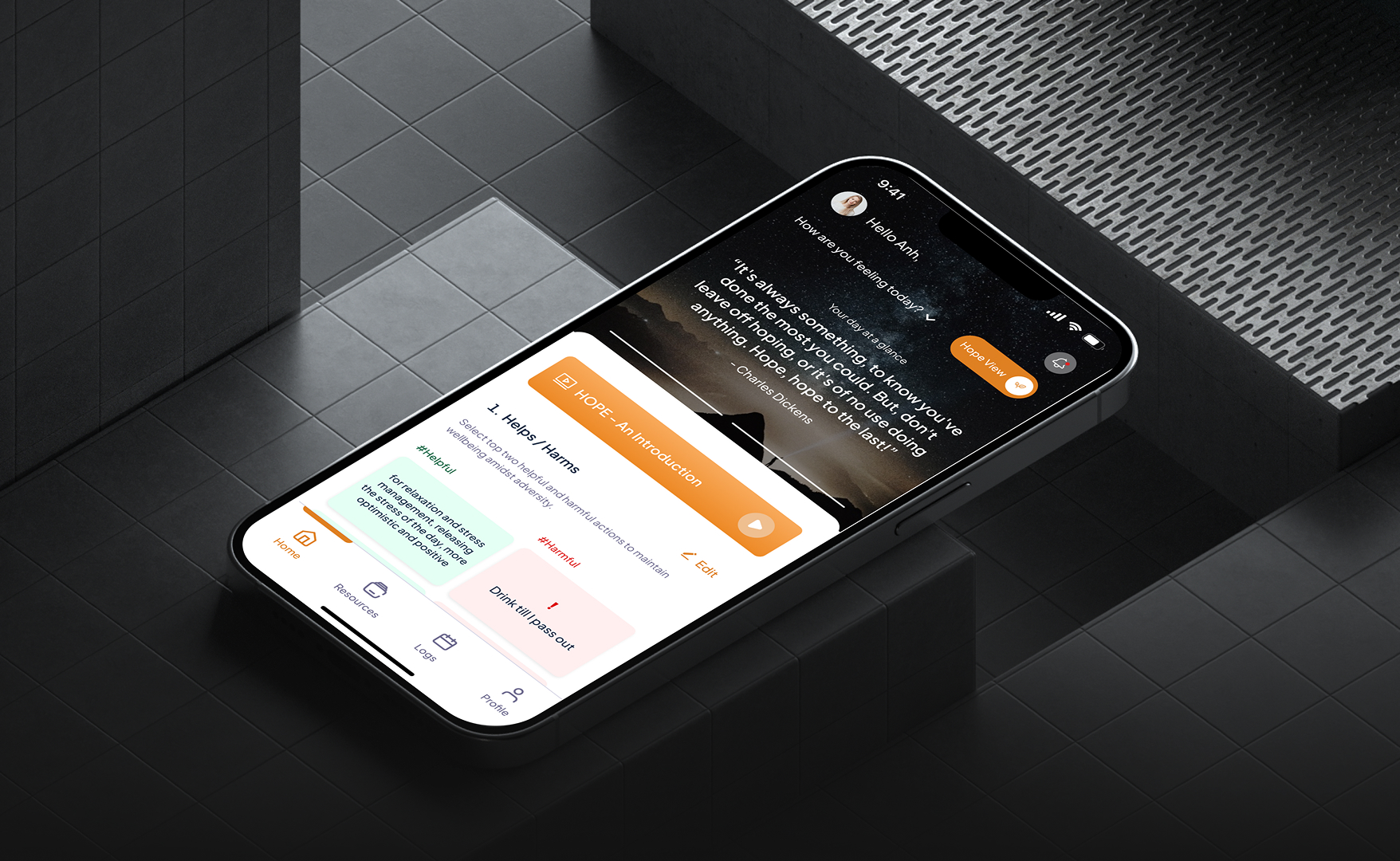
Mobile app development

We develop iOS, Android, and cross-platform mobile apps designed to solve real business challenges while keeping users hooked wherever they go. Our mobile app solutions deliver high performance, engage users, and drive results that last – there are no “just an app” projects here.

Learn More

mobile app development service

04/07

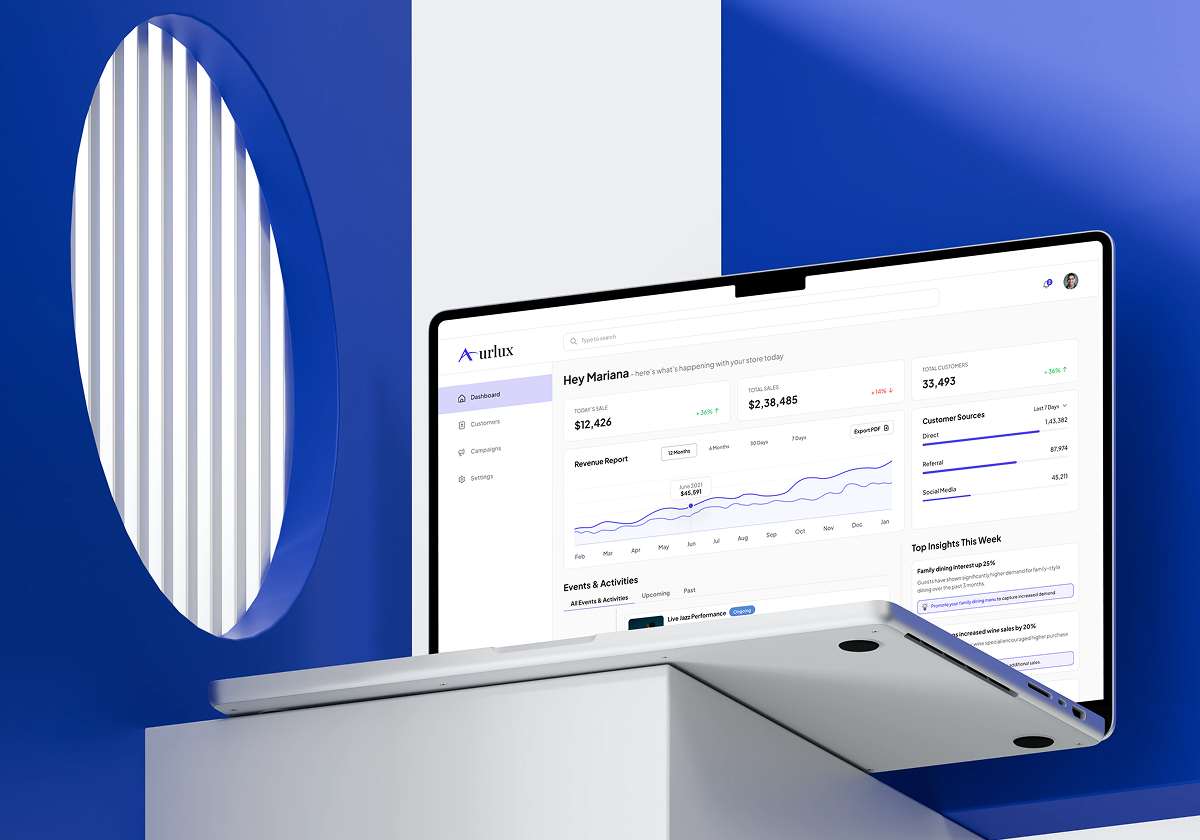
AI software development

AI software development empowers your businesses to solve complex challenges that traditional algorithms can’t handle. By mimicking human reasoning and processing massive data sets in minutes, AI applications deliver smarter automation, deeper insights, and faster decision-making.

Learn More

AI software development service

05/07

SaaS development

From designing your SaaS product strategy to delivering a fully scalable application, we support every stage of your SaaS lifecycle. Our team helps you validate ideas through rapid prototyping and design, builds robust multi-tenant architectures, and develops high-performing MVPs that scale as your user base grows.

Learn More

saas development service

06/07

MVP development

We help startups and SMBs turn ideas into successful market-ready solutions by validating product potential, researching demand, and iterating based on real user feedback. Our development team builds a focused MVP with essential features, enabling you to test your concept early, reduce risk, and optimize costs.

MVP development service

07/07

UI/UX design

We create UI/UX designs that elevate digital experiences, improve usability, and boost user engagement. From simple landing pages to complex SaaS platforms or e-commerce marketplaces, our designs are fully responsive and tailored to meet your users’ needs across all devices.

UI UX development service

PARTNER WITH US

How Adamo can help your business

Faster
0 x

Time-to-market with AI

Cost optimization
0 %

Powered by smarter, tailored solutions

Enhanced efficiency
0 %

Gain powered by AI & Teams

Disaster recovery
0 %

Secured with robust maintenance plan

Scalability
0 %

Enabled by Cloud-native infrastructure

Higher ROI
0 x

Achieved with our proven delivery model

CUSTOM Vs. OFF-THE-SHELF SOFTWARE


iconCustom Application Development

Off-the-shelf Software
Feature setThe functionality is defined by your business requirements and can be expanded as needed.The functionality is determined by the vendor and limited to their predefined features.
CostsThe upfront investment is higher, but all costs are clearly defined for long-term value.Lower initial cost, but hidden long-term expenses may appear as your business grows.
IntegrationCan integrate with any internal or external tool using custom connectors.May face integration issues if it doesn’t align with your environment or tech stack.
TimeframeDevelopment timeline is longer because the solution is built from scratch.Implementation is quicker with immediate usability after setup.
FlexibilityCan be freely modified, scaled, and expanded for evolving needs.Limited to vendor’s default settings and configuration options.
MaintenanceFully controlled by your team or your chosen service provider.Controlled by the vendor and may require recurring fees.
SecurityTailored to your specific threat landscape and compliance requirements.Security features are fixed; improvements depend on the vendor.

BENEFITS

Delivering impactful value
at every stage of your custom software journey

Accelerating time to market

Using AI-assisted tools best practices, we help you build and validate prototypes faster. Many clients see dramatic gains in developer productivity and speed, enabling them to launch products much sooner.

Increasing efficiency and productivity

Our seasoned engineers help you turn technology into a real growth driver. With streamlined processes and expert execution, your team can achieve significantly higher productivity with less effort.

Integrating smoothly with your ecosystem

We ensure your new solution fits into your existing ecosystem. From legacy systems to third-party tools, our integrations create smooth data flow and reliable performance across all platforms.

custom software development benefits

Achieving the best results within your budget

If needed, we can provide multiple delivery options with varying estimates and team setups. You’ll understand exactly how to reach your goals without exceeding your budget.

Staying ahead with the latest innovations

While your team focuses on daily operations, we bring you the newest tools and AI-driven capabilities. Our continuous innovation helps you stay competitive and optimize development efforts.

Security and compliance by design

We build protection into your software from the very start. With industry-specific standards and automated compliance workflows, your system stays secure, trustworthy, and audit-ready at all times.

DEVELOPMENT PROCESS

Our software application development framework

01

Discovery

We closely collaborate with our clients to define their requirements.

02

Design

Adamo’s team creates visual elements and technical designs.

03

Development

We partner with clients to choose the tech stack and build solutions.

04

Test

Our quality assurance specialists ensure the quality of software solutions.

05

Deployment

After testing and checking, we come to the software deployment stage.

06

Warranty

Our team monitors, fixes issues, and upgrades as needed.

CASE STUDIES

TECH STACK

Technologies we use

AI-based Frameworks
Llamaindex
Azure Machine Learning
Vertex AI
Amazon SageMaker
ChatGPT
Scikit-learn
LangChain
Tensorflow
Back-end development
PHP
NodeJS
Java
Ruby on Rails
Python
.NET
Front-end development
React
Angular
VueJS
Swift
Kotlin
HTML & CSS Bootstrap
Development Tool
Github
Jira
Redmine
Trello
Database
My SQL
PostgreSQL
SQL Server
SQLite
MongoDB
Oracle
Server
Google Cloud
Amazon Web Services
Digital Ocean
Azure

TESTIMONIALS

Our clients can’t get enough of working with Adamo

ADVANCED TECHNOLOGY ADOPTION

Innovative technologies we adopt

generative AI technology

Generative AI

We enable Generative AI for instant text, image, and code creation - powering human-like interactions, dynamic content, and automation.

Learn More
big data technology

Big Data

Leverage our big data expertise to turn massive datasets into faster decisions, real-time actions, reduced downtime, and new revenue opportunities.

Learn More
machine learning technology

Machine Learning

We deliver machine learning solutions, including reinforcement learning algorithms, to analyze data, forecast trends, and generate insights that enhance your decision-making.

Learn More
cloud technology

Cloud

We build robust cloud applications that can scale on demand to support millions of users and offer smooth compatibility with all your existing third-party systems.

Learn More
IoT technology

IoT

Leveraging multi-industry expertise, we build custom IoT solutions that unify fragmented networks and deliver real-time insights to drive ROI and competitive advantage.

Learn More
blockchain technology

Blockchain

We provide blockchain-powered solutions that build systems to automate deals, drastically cut third-party costs, and lock down your data securely and automatically.

Learn More
Large language models

LLM

We empower your business with LLMs that transform complex data into clear insights, automate workflows, and enable smarter decisions in real time.

FAQ

Frequently Asked Questions

What types of software does Adamo build?

We deliver custom software across web, mobile, and enterprise platforms:


  • Web applications: customer-facing SaaS products, internal admin panels, B2B portals, e-commerce platforms, content management systems.
  • Mobile applications: native iOS (Swift), native Android (Kotlin), and cross-platform (React Native, Flutter) for both consumer and B2B use cases.
  • Enterprise systems: internal tools for HR, finance, operations, supply chain. ERP customization, CRM integrations, workflow automation.
  • API and backend services: microservices architectures, REST and GraphQL APIs, real-time systems, data pipelines.
  • Integration projects: connecting your existing systems — ERP to CRM, payment gateways, third-party APIs, legacy modernization.


Most projects involve multiple categories. A typical SaaS product, for example, combines a web admin dashboard, mobile apps, a backend API, and integrations with payment processors and email services. We scope and quote each layer separately so you understand where time and budget are going.

Stack selection is a decision we make jointly with the client, not in isolation:


Backend: We default to proven, well-supported stacks – Node.js (Express, NestJS), Python (Django, FastAPI), Java (Spring Boot), or .NET – chosen based on your team’s familiarity, performance needs, and hiring market in your geography. We avoid niche languages that make future hiring difficult.

Frontend: React or Next.js for most web projects. Vue or Angular when there are existing team skills or specific framework requirements.

Mobile: Native (Swift/Kotlin) when you need maximum performance, deep platform integration, or have iOS-only or Android-only audiences. React Native or Flutter when budget, time, and a 90% native experience are higher priorities.

Database: PostgreSQL for most relational needs, MongoDB for document-heavy data, Redis for caching, Elasticsearch for search.

Cloud: AWS, Azure, or Google Cloud – typically aligned with your existing infrastructure.


We document the stack rationale in writing as part of the kickoff so you can verify the choices against your long-term plans.

The honest trade-off:


Choose native (Swift for iOS, Kotlin for Android) when: you’re building a performance-critical app (games, AR, video editing, complex animations); deep OS integration matters (Apple Watch, background location, advanced camera APIs); one platform dominates your user base; or app size and battery efficiency are competitive differentiators.

Choose cross-platform (React Native or Flutter) when: you want one team and one codebase serving both platforms (typical 30-40% cost saving over building two native apps); 90% native performance is good enough; frequent updates with shared business logic matter.


Reality check: most B2B and content-heavy consumer apps work well as cross-platform. Most consumer apps that need to feel premium or have intensive media features benefit from native. We help clients map their feature list to the right approach during scoping.

Integration is often where projects get stuck, so we treat it as a first-class concern.


Discovery phase: We catalog all systems that need to talk to each other – your ERP, CRM, payment processor, identity provider, third-party APIs, legacy databases. We document the authentication, data flow, and rate limits for each.


Architecture decisions: We choose between integration patterns based on requirements:

  • Direct API integration for real-time needs (under 1 second response).
  • Event-driven (webhooks, message queues) for asynchronous workflows.
  • ETL or batch sync for analytics and reporting.
  • API gateway / middleware when many systems need access to a single source of truth.


Implementation: We build integration tests for each connection point, plus retry logic and observability so you can see when something fails. For critical integrations, we add circuit breakers and graceful degradation. Documentation includes data schemas, error codes, and runbooks for common failure modes.

Scalability is a design decision made early, not a fix applied later:


Early-stage products (under 10K users): We optimize for development speed and clarity. A well-architected monolith with proper database design handles this easily. Premature microservices would slow you down.

Mid-scale products (10K-1M users): We introduce caching layers (Redis, CDN), database read replicas, asynchronous background jobs, and horizontal scaling for stateless services. We use JMeter for load testing before launch.

High-scale products (1M+ users): We consider microservices for genuinely independent domains, event-driven architectures, dedicated search and analytics infrastructure, multi-region deployment.


Every project is instrumented from day one with logging, metrics, and alerting (Prometheus + Grafana or cloud-native equivalents). This makes scaling problems visible before they become outages.


We’re explicit about what we’re NOT doing in early phases so you understand what’s deferred – for example, ‘this design will need refactoring beyond 100K daily active users; that’s a future investment, not a current one.’

Maintainability is what protects your investment after we leave.


Code quality

  • Consistent code style enforced by linters and formatters.
  • Code reviews on every commit by another engineer.
  • Test coverage targets agreed at project start (typically 60-80% for business logic).
  • Refactoring time built into sprints, not deferred indefinitely.


Documentation

  • README with setup instructions any new developer can follow.
  • Architecture diagrams showing system components and data flow.
  • API documentation generated from code (Swagger, GraphQL introspection).
  • Decision records for major architectural choices.


Knowledge transfer

  • Walkthrough sessions before handover, recorded for future reference.
  • Q&A period of 2-4 weeks where your team can ask questions.
  • Optional retainer for your team’s first few months of independent operation.


The goal is that your in-house team or a future vendor can pick up the codebase without us, not that you’re locked in.