




Food Ordering Solutions for High-Growth F&B Businesses

Build faster, sell smarter, and deliver better customer experiences with custom food ordering solutions tailored to your business model.

food ordering solutions development

OVERVIEW

How digital Food Ordering systems work in F&B businesses

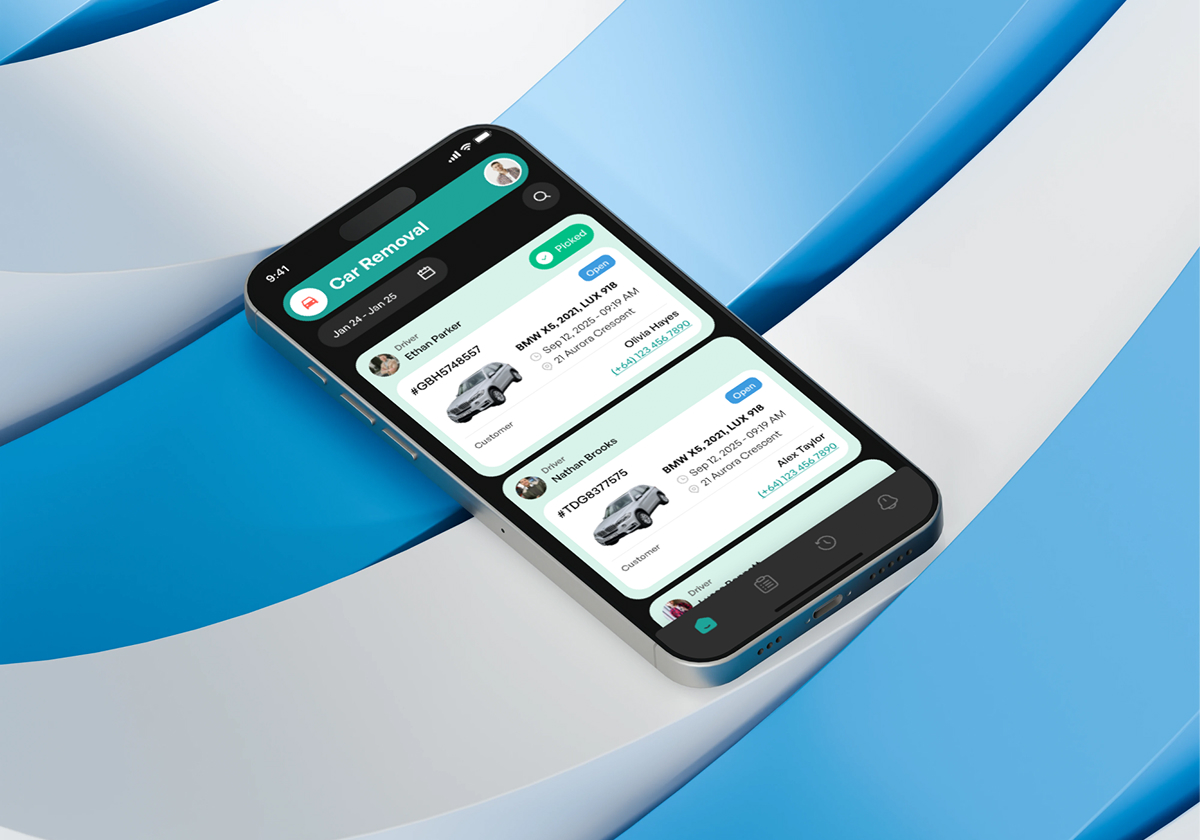
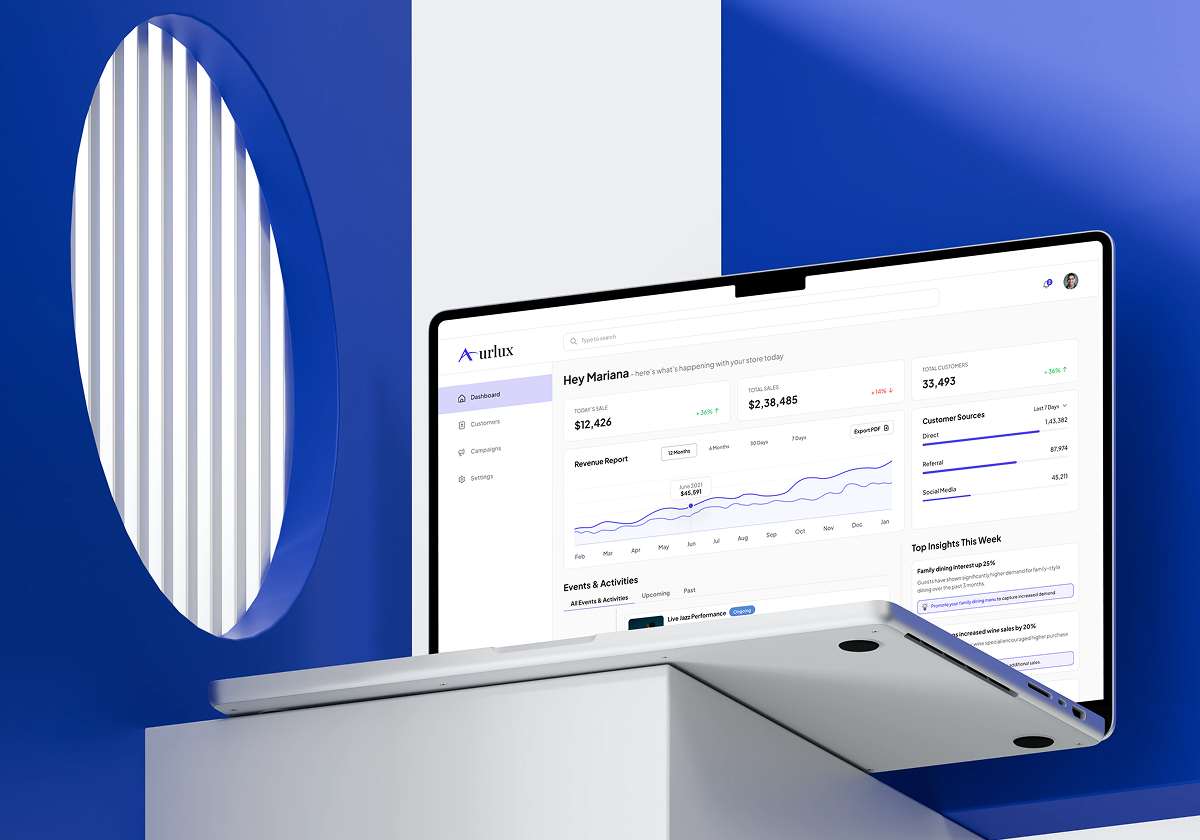
Food Ordering Solutions refer to a set of digital systems that enable customers to place food orders online while allowing F&B businesses to centrally manage orders, menus, payments, and delivery workflows across multiple channels.

These solutions are essential for F&B businesses operating in today's omnichannel and delivery-first environment.

CHALLENGES

Common challenges in
Online Ordering & Food Delivery operations

Fragmented order channels

Orders arrive seperately from websites, apps, QR menus, and third-party platforms, making reconciliation difficult.

High reliance on delivery marketplaces

Heavy reliance on third-party platforms reduces profit margins and limits access to customer data.

Delivery is hard to control

Managing drivers, delivery zones, fees, and real-time tracking becomes complex at scale.

Inconsistent menus and pricing

Manual updates across channels often cause mismatched prices and unavailable items.

Off-the-shelf tools lack flexibility

Prebuilt platforms restrict customization, integrations, and long-term growth.

BENEFITS

Why custom Online Ordering solutions drive better results

Custom-built ordering systems help businesses:

  • Increase direct online orders
  • Reduce operational errors
  • Improve delivery efficiency
  • Deliver consistent customer experiences
  • Gain actionable data insights
benefits of food ordering solution development

Build scalable Ordering Systems with Adamo Software!

OUR SERVICES

Ordering & Delivery Solutions we deliver

custom food ordering and delivery application development

Custom food ordering & delivery applications

Branded web and mobile apps supporting pickup, delivery, and scheduled orders.

centralized order and menu management system development

Centralized order & menu management

One system to manage menus, pricing, and orders across all channels.

delivery operation and dispatch management system development

Delivery operations & dispatch management

Tools to manage delivery zones, driver assignment, routing, and real-time tracking.

third-party delivery platform development

Third-party delivery platform connectivity

Seamless integration with delivery marketplaces for order and menu sync.

Omnichannel customer ordering system development

Omnichannel customer ordering experiences

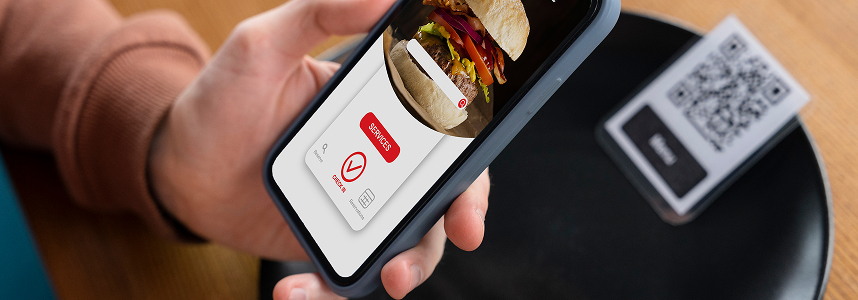
QR, kiosk, web, and in-store tablet ordering in one system.

Payment promotion & customer retention tools development

Payment, promotion & customer retention tools

Integrated payment gateways, promotions, loyalty programs, and digital vouchers.

WHO WE SERVE

Who benefits from Digital Food Ordering Systems

FAQ

Frequently Asked Questions

What is a food ordering app and how does it work?

A food ordering app is a digital platform that lets customers browse menus, place orders, and pay online from their phone or computer. On the backend, the system routes each order to the restaurant’s kitchen, triggers delivery dispatch if applicable, and updates order status in real time. It connects customer-facing interfaces (web, mobile app, QR code) with operational systems like POS, kitchen display, and delivery management.

Development cost depends on scope, platform (iOS, Android, or both), and number of integrations. A basic MVP with menu display, ordering, and payment processing typically ranges from $25,000–$50,000. A full-featured platform with driver management, real-time tracking, multi-location support, and third-party delivery integration can cost $80,000–$200,000 or more. Starting with an MVP and expanding in phases is the most cost-effective approach.

Third-party platforms handle everything for you but charge 15–30% commission per order, control the customer relationship, and limit your access to customer data. A custom food ordering app gives you full ownership — you set your own commission structure (or none), collect customer data directly for marketing and loyalty, and customise the ordering experience to match your brand. The tradeoff is upfront development cost, but long-term unit economics typically favour owned platforms for businesses with consistent order volume.

Core features include menu management with real-time availability, shopping cart with order customisation, secure online payment processing, order tracking with status updates, and an admin panel for managing orders and menus. Advanced features depend on business model — delivery businesses need driver dispatch and route optimisation, restaurant chains need multi-location menu management, and cloud kitchens may require integration with multiple virtual brand storefronts under one kitchen operation.

Yes. A well-built food ordering system connects to your existing POS so that online orders flow directly into your kitchen workflow without manual re-entry. It can also integrate with third-party delivery platforms like GrabFood or ShopeeFood for order and menu sync, as well as payment gateways, accounting software, and CRM tools. The goal is a unified system where all channels feed into one operational backend.

A functional MVP typically takes 3–4 months to develop, covering core ordering, payment, and basic admin features. A full platform with delivery management, multi-channel support, analytics, and third-party integrations usually takes 5–8 months. Timeline depends on design complexity, number of integrations, and whether you need both iOS and Android native apps or a cross-platform solution.