

Calories Tracker App: 8 best option reviewed and what it takes to build one
Compare 8 calorie tracker apps by accuracy, AI features, and limitations. Plus: what it takes to build a custom calories tracker app in 2026.
The global diet and nutrition apps market reached $5.95 billion in 2025 and is projected to hit $6.94 billion in 2026, growing at a CAGR of 16.64% through 2035 (Source: Towards Healthcare, 2026). A calories tracker app is no longer a simple food diary. Users now expect AI-powered meal recognition, wearable integration, and macro-level nutrient breakdowns. This article reviews 8 of the most widely used calorie tracker apps based on their core functionality, accuracy, and trade-offs, then breaks down what goes into building a custom one from scratch.
Key Takeaways:
- MyFitnessPal leads with over 200 million users and 14 million food items, but its user-contributed database introduces accuracy risks. Cronometer offers clinical-grade micronutrient tracking across 80+ nutrients with lab-verified data.
- Noom’s behavioral psychology approach has driven over 45 million downloads, proving that calorie tracking alone is not enough to sustain long-term user engagement. Personalization and coaching matter.
- The diet and nutrition apps market is projected to reach $6.94 billion in 2026 (Source: Towards Healthcare, 2026). The gap between what generic apps offer and what specific user populations need is where custom development creates value.
- Building a competitive calories tracker app requires AI-powered food recognition, wearable device integration (Apple HealthKit, Google Health Connect, Fitbit API), and a personalization engine that adapts to user behavior. A fitness tracker app often shares the same core architecture, particularly around activity data sync and calorie expenditure calculations.
- Adamo Software has built AI personalization engines (GPT-4 fitness coaching app), passive wearable data sync pipelines (ONEai Health stroke monitoring), and user retention-focused health apps (Matida, 10,000 users in 2 months), all directly applicable to calories tracker app development.
What a Modern Calories Tracker App Actually Does
A calories tracker app logs daily food intake and calculates nutritional data including calories, macronutrients (protein, carbohydrates, fat), and in some cases micronutrients like vitamins and minerals. Most apps in 2026 go beyond manual logging. They use barcode scanning, AI-powered food image recognition, and integration with wearable devices such as Apple Watch, Fitbit, and Garmin to sync activity data with calorie budgets.
The standard feature set of a competitive calories tracker app in 2026 includes:
- Barcode scanning for packaged foods, pulling nutrition data from databases containing millions of items. MyFitnessPal alone reports over 14 million verified food entries.
- AI photo recognition that estimates calories from a meal photo. Lifesum launched a multimodal AI tracker in February 2025 that accepts voice, photo, text, and barcode input for meal logging.
- Personalized daily calorie and macro goals based on user profile data (age, weight, activity level, target weight).
- Integration with health platforms such as Apple HealthKit and Google Health Connect to sync steps, heart rate, and workout data with nutrition tracking.
- Progress dashboards with weekly and monthly trend reports covering weight change, calorie adherence, and nutrient balance.
8 Calorie Tracker Apps Reviewed: Features, Strengths, and Limitations
1. MyFitnessPal
MyFitnessPal remains the most widely adopted calories tracker app globally, with over 200 million users as of 2024 (Source: DataBridge Market Research, 2025). Its core strength is the food database, which contains over 14 million items including branded products, restaurant meals, and user-contributed entries. The barcode scanner covers most packaged foods available in major markets. Macro tracking breaks down protein, carbohydrates, and fat against customizable daily goals.
In February 2025, MyFitnessPal acquired Intent, a personalized meal planning app, and launched a Premium+ tier at $100/year featuring AI-powered meal recommendations.
The trade-off: the free version now includes ads and limits certain features. Some users report that the large user-contributed database introduces occasional inaccuracies in calorie data for non-verified entries.
2. Lifesum
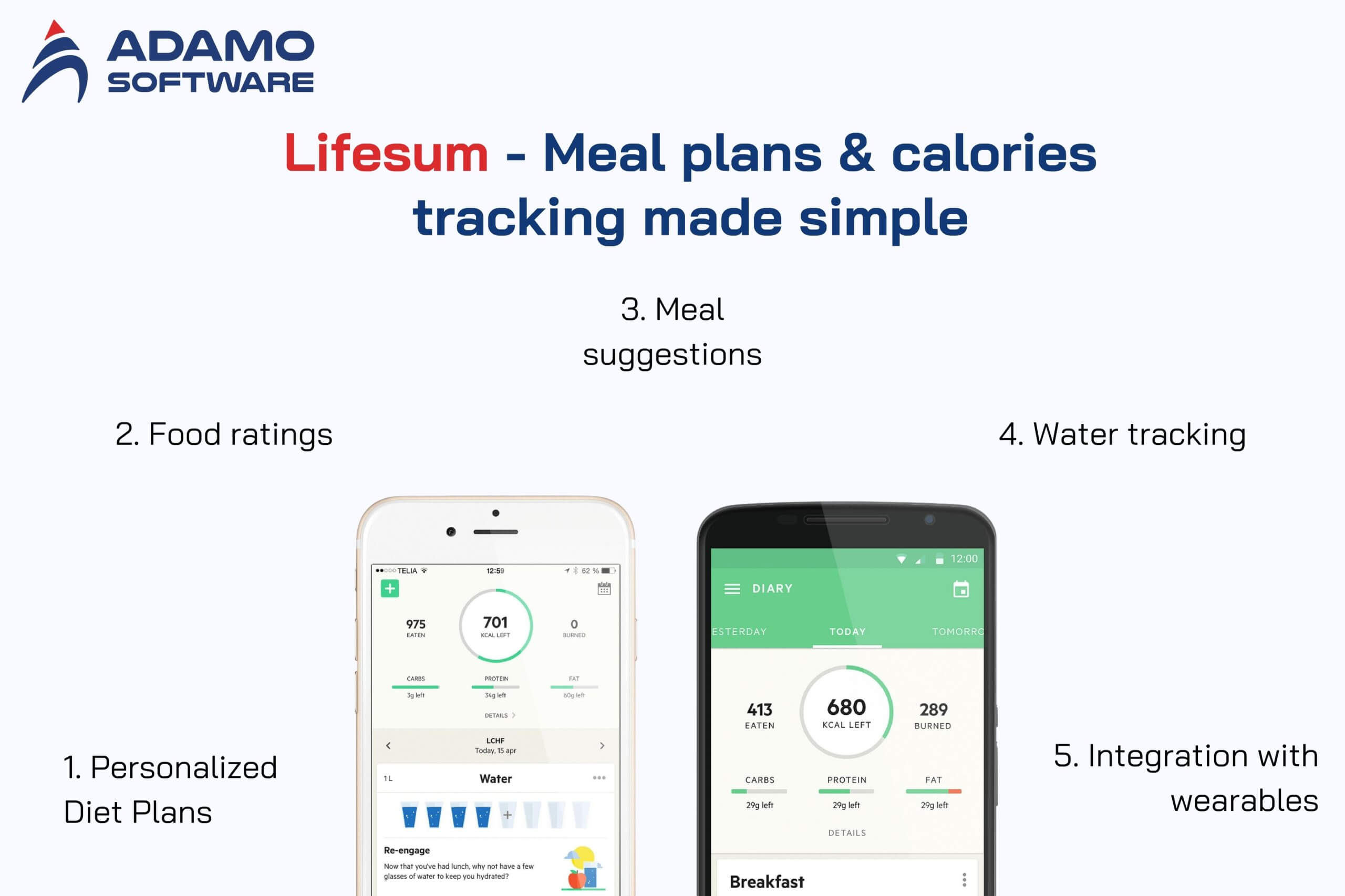
Lifesum positions itself as a lifestyle-focused calories tracker app rather than a strict calorie counter. It offers structured meal plans for specific dietary approaches including ketogenic, high-protein, vegan, and Mediterranean diets. Each food item receives a health rating that goes beyond calorie count to evaluate overall nutritional quality.
The app includes a water intake tracker and integrates with Fitbit, Garmin, and Apple Health. Its AI-powered nutrition tracker launched in early 2025 supports multimodal meal input.
The trade-off: the most useful features, including detailed meal plans and advanced tracking, require a premium subscription. The free tier is limited enough that serious users will likely need to upgrade.
3. Noom
Noom takes a behavioral psychology approach to calorie tracking. Rather than focusing solely on numbers, Noom uses a color-coded food system (green, yellow, red) to teach users about food quality and portion control. The app includes daily educational content, personalized coaching, and structured weight loss programs.
Noom reported over 45 million downloads, making it one of the most commercially successful calories tracker apps in the behavioral health category (Source: DataBridge Market Research, 2025).
The trade-off: Noom is subscription-based with no meaningful free tier. It is more of a weight management program that includes calorie tracking than a standalone calorie tracker, which may not suit users who simply want a logging tool.
Ready to Outsource?
Get top-tier IT talent without the hassle. Contact us now!
4. Yazio
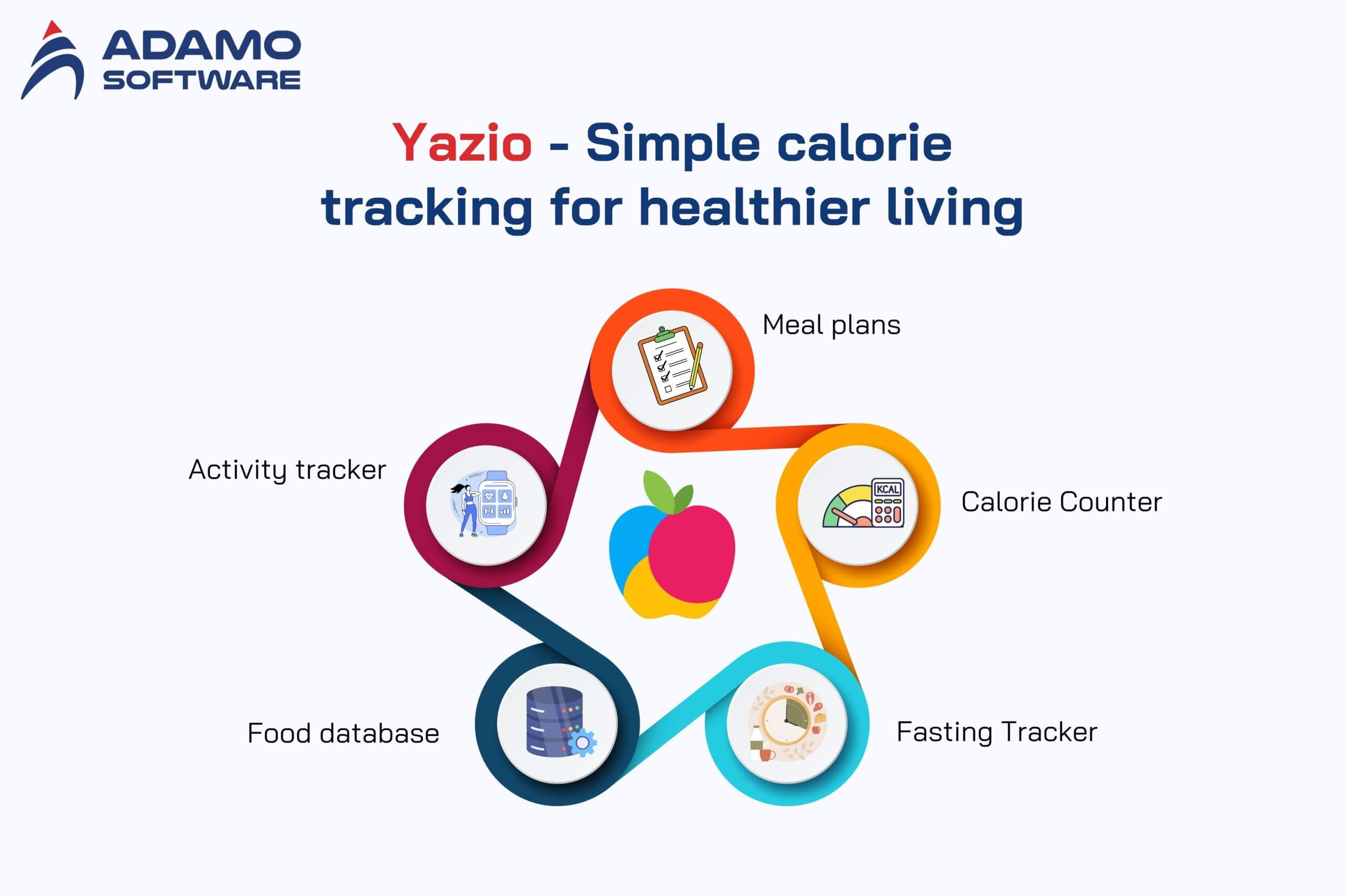
Yazio combines calorie counting with intermittent fasting tracking, making it a practical calories tracker app for users following time-restricted eating patterns. It offers customizable meal plans for weight loss, weight gain, and general healthy eating. The food database supports barcode scanning and includes full nutritional breakdowns.
The fasting timer feature tracks eating windows and fasting durations across popular protocols such as 16:8 and 5:2.
The trade-off: the fasting feature is relatively basic compared to dedicated fasting apps. Advanced meal planning and detailed analytics require a premium subscription.
5. Lose It!
Lose It! is built around simplicity and goal-setting. Users input a target weight and timeline, and the app generates a daily calorie budget. The food database is extensive, the barcode scanner works reliably, and the interface is designed for fast meal logging without overwhelming detail.
The app integrates with fitness platforms and wearable devices, and includes a community feature where users can share progress and participate in challenges.
The trade-off: nutrient tracking beyond calories and basic macros is limited compared to Cronometer or MyFitnessPal. Users who need detailed micronutrient analysis will find Lose It! insufficient.
Ready to Outsource?
Discover how we can transform your business with expert IT solutions.
6. Cronometer
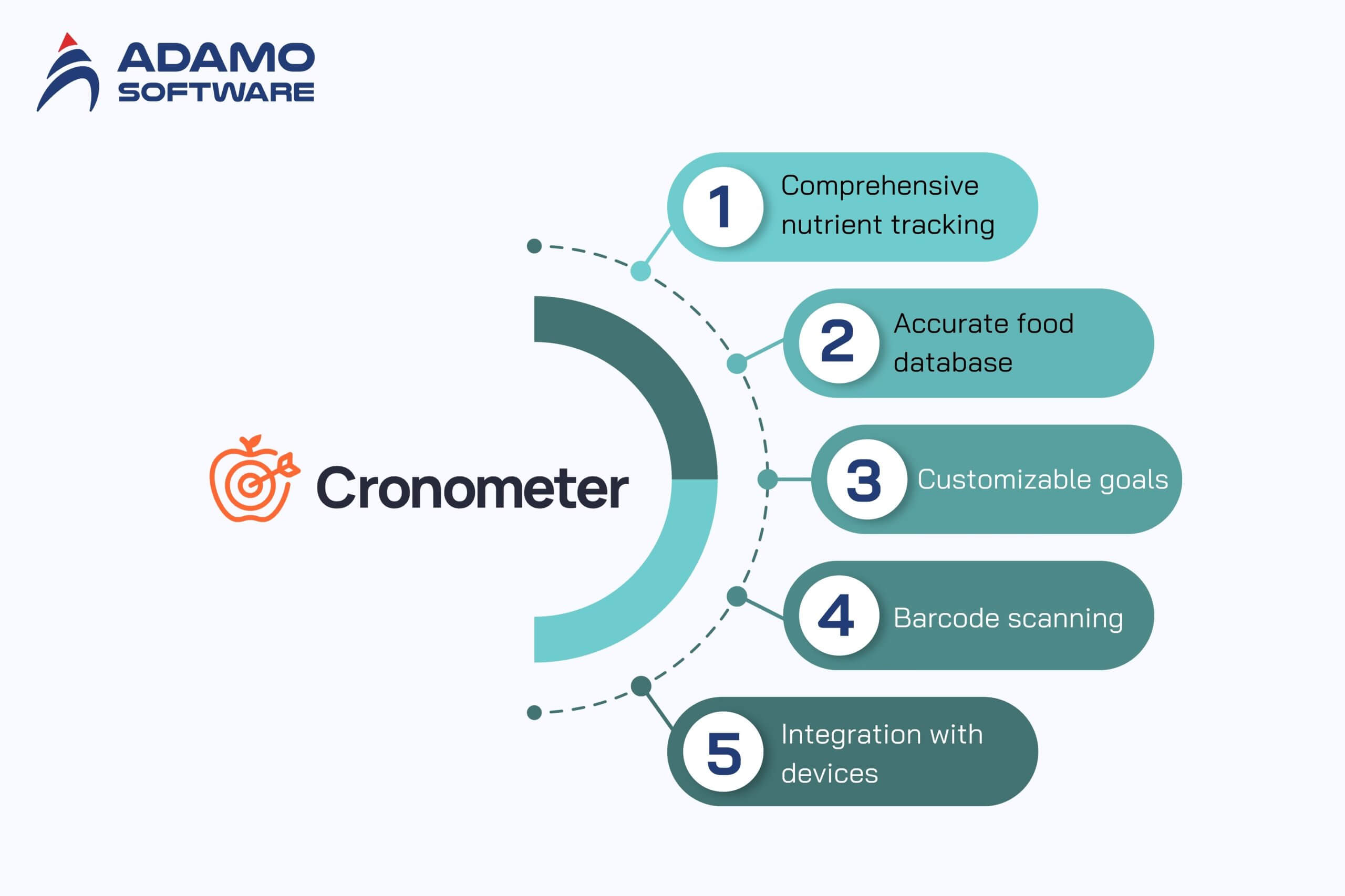
Cronometer is the most precise calories tracker app for micronutrient tracking, covering over 80 nutrients including vitamins, minerals, and amino acids. It uses primarily lab-verified food data rather than user-contributed entries, which results in higher accuracy but a smaller database compared to MyFitnessPal.
Cronometer is often preferred by users managing specific health conditions such as diabetes, nutrient deficiencies, or medically supervised diets where tracking beyond basic macros is essential. It integrates with fitness devices and supports custom food and recipe creation.
The trade-off: the interface is more data-dense and less visually engaging than competitors. New users unfamiliar with nutrition terminology may find the learning curve steeper.
7. FatSecret
FatSecret is one of the few calories tracker apps that delivers full functionality for free, including food logging, barcode scanning, meal planning, and progress reports. The food database covers branded products, generic foods, and restaurant items. The app includes a community forum where users share recipes and support each other.
The trade-off: the interface design is functional but dated compared to Lifesum or Noom. FatSecret lacks AI-powered features such as photo recognition or personalized meal recommendations that premium apps now offer.
8. MyNetDiary
MyNetDiary combines a visual, user-friendly interface with detailed nutrient tracking. It features a food scoring system modeled on how dietitians evaluate foods based on nutrition labels and portion sizes. The app supports barcode scanning, manual food entry, and voice-based meal logging.
MyNetDiary provides detailed progress reports with charts covering calorie trends, weight change, and macronutrient distribution over time.
The trade-off: integration with fitness apps beyond Apple Health requires a premium account. The food scoring system, while useful, can feel subjective without understanding the underlying methodology.
Key Takeaways: Choosing the Right Calories Tracker App
The right calories tracker app depends on what problem the user is solving. For comprehensive food database coverage and broad compatibility, MyFitnessPal remains the default choice despite its ad-supported free tier. For clinical-grade nutrient tracking, Cronometer is unmatched. For users who want structured behavioral change and coaching, Noom offers the most complete program. For budget-conscious users who need reliable tracking without paywalls, FatSecret delivers the best value.
No single app solves every need. The gap between what commercial calorie tracker apps offer and what specific user segments require is the reason custom development exists.
What It Takes to Build a Custom Calories Tracker App
Building a calories tracker app from scratch involves several core technical components and design decisions that determine whether the product succeeds or fails in a saturated market.
Food Database and Nutrition Data
A calories tracker app is only as accurate as its food database. Development teams can integrate established nutrition APIs such as Edamam, Spoonacular, or Open Food Facts, which provide access to hundreds of thousands of food items with verified calorie and nutrient data. For apps targeting specific regions or dietary cultures, supplementing API data with locally sourced food databases is often necessary.
AI-Powered Food Recognition
Photo-based meal logging is no longer a novelty feature. It is becoming a baseline expectation. Computer vision models trained on food imagery can estimate portion sizes and identify common dishes. Implementing this requires a machine learning pipeline with continuous model training to improve accuracy over time. The technology stack typically involves TensorFlow or PyTorch for model development, with cloud inference endpoints on AWS or Google Cloud.
Adamo Software built an AI-powered fitness coaching application that uses GPT-4 to generate individualized workout plans and automatically tracks calorie expenditure across 500+ exercises. The AI personalization engine in that project continuously refines recommendations based on user feedback and performance data, which is the same architectural pattern required for a calories tracker app that adapts meal suggestions to user behavior over time.
Wearable Device Integration
Syncing calorie data with activity data from wearables creates a complete energy balance picture. Development requires integration with Apple HealthKit, Google Health Connect, Fitbit API, and Garmin Connect. Each platform has its own authentication flow, data format, and sync frequency, which adds development complexity. The technical challenges here overlap significantly with fitness tracker app development, where real-time activity data must be reliably captured and processed across multiple device ecosystems.
Adamo Software developed ONEai Health, a stroke risk monitoring platform that passively collects vital signs including blood pressure, heart rate, oxygen saturation, temperature, sleep, and activity data from connected wearable devices. The data is automatically synced and analyzed to generate a real-time health risk score. The wearable integration architecture from that project, specifically the passive data collection pipeline and background API sync that persists even when the app closes, directly applies to how a calories tracker app would sync activity and calorie burn data from fitness wearables.
Personalization Engine
A competitive calories tracker app adapts to user behavior. This means building recommendation logic that adjusts calorie targets based on progress, suggests meals based on dietary preferences and past intake, and identifies patterns that correlate with goal achievement or deviation. This is where AI and machine learning capabilities differentiate a basic tracker from a product that retains users long-term.
Adamo Software built Matida, a pregnancy wellness app that combines an AI chatbot, development trackers, and personalized daily tips tailored to each user’s stage and preferences. The app reached 10,000 users within two months of launch, largely because of its personalization engine that delivers content based on individual tracking data rather than generic schedules. For a calories tracker app, the same principle applies: personalized meal suggestions driven by actual intake history and goal progress retain users significantly longer than static calorie budgets.
Recommended Tech Stack
Based on current industry standards for calorie tracker app development:
- Frontend: React Native or Flutter for cross-platform mobile development
- Backend: Node.js or Python (Django/FastAPI) for API logic and data processing
- Database: PostgreSQL for structured nutritional data, MongoDB for flexible user activity logs
- Cloud: AWS or Google Cloud for scalability and ML model hosting
- Nutrition APIs: Edamam, Spoonacular, or Open Food Facts
- AI/ML: TensorFlow or PyTorch for food image recognition models
Compliance and Data Privacy
A calories tracker app that collects health-related data must comply with relevant regulations. For apps targeting users in the United States, HIPAA compliance may apply if the app connects with clinical health systems. For European markets, GDPR governs how personal health data is collected, stored, and processed. At minimum, end-to-end encryption, secure authentication, and transparent data policies are required.
Conclusion
The calorie tracker app market has matured past simple food logging. Users expect AI meal recognition, wearable sync, and personalized nutrition guidance as standard features. The 8 apps reviewed here cover the spectrum from free community-driven trackers like FatSecret to clinically precise tools like Cronometer and behavior-change platforms like Noom. For businesses and health tech startups looking to enter this $6.94 billion market, the gap between what generic apps offer and what specific user populations need, whether that is regional food databases, clinical-grade tracking, or integration with existing health platforms, is where custom development creates real value.
Build a Calories Tracker App That Fits Your Users

Adamo Software has built health and fitness applications including an AI-powered fitness coaching platform with GPT-4 personalization, a stroke risk monitoring system with real-time wearable data sync, and a pregnancy wellness app that reached 10,000 users in two months. Whether you need AI-driven meal recommendations, wearable integration, or a personalized nutrition engine, Adamo Software’s engineering team builds healthcare apps that go beyond what off-the-shelf solutions offer. With our expertise in healthcare software development, Adamo will design and develop an innovative and easily navigable application among the rival applications. Whether you want to create a complex app or a simple tracking application, Adamo’s team will ensure you get what you are looking for.
Adamo has professional development services that envision developing easy calories tracker applications. We know the value of a well-integrated UI and good performance. That being the case, when creating your app, Adamo can help guarantee that it will be custom-designed to meet the needs of users interested in health and fitness, right from its conceptualization, design, development, and implementation. Employ Adamo and build a CASE for your novel concept in a calories tracker application.

 adamosoft.com
 (+84) 373 11 44 88