Elevating Patient Care with All-in-one Remote Monitoring Technology - ONEai Health
Brief
A remote patient monitoring platform that links patients, caregivers, and clinicians through wearable data, real-time vitals tracking, and threshold-based alerts. The system helps a US healthcare provider extend care for elderly and post-stroke patients beyond the clinic, without adding clinical workload.
I. Challenges that ONEai Health's Company Has to Counter
NEai Health is a US healthcare provider managing a growing population of elderly and post-stroke patients. Like most providers in this space, they faced a structural constraint: demand for continuous care was rising faster than the resources available to deliver it in person.
Demand for remote care is not a passing trend. The global remote patient monitoring market reached roughly US$22 billion in 2024 and is projected to grow at about 19.8% annually through 2033, according to Grand View Research (2024). Providers adopt it because it works. Health systems such as the University of Pittsburgh Medical Center have reported patient satisfaction scores above 90% after equipping patients with monitoring devices and tablets.
The core problem ONEai Health needed to solve was the between-visit gap. Between scheduled appointments, a patient’s condition can change quietly, and warning signs often surface too late.
What challenges do they deal with? The provider needed a system that would:
II. How Adamo Remote Patient Monitoring Development Service help with ONEai Health
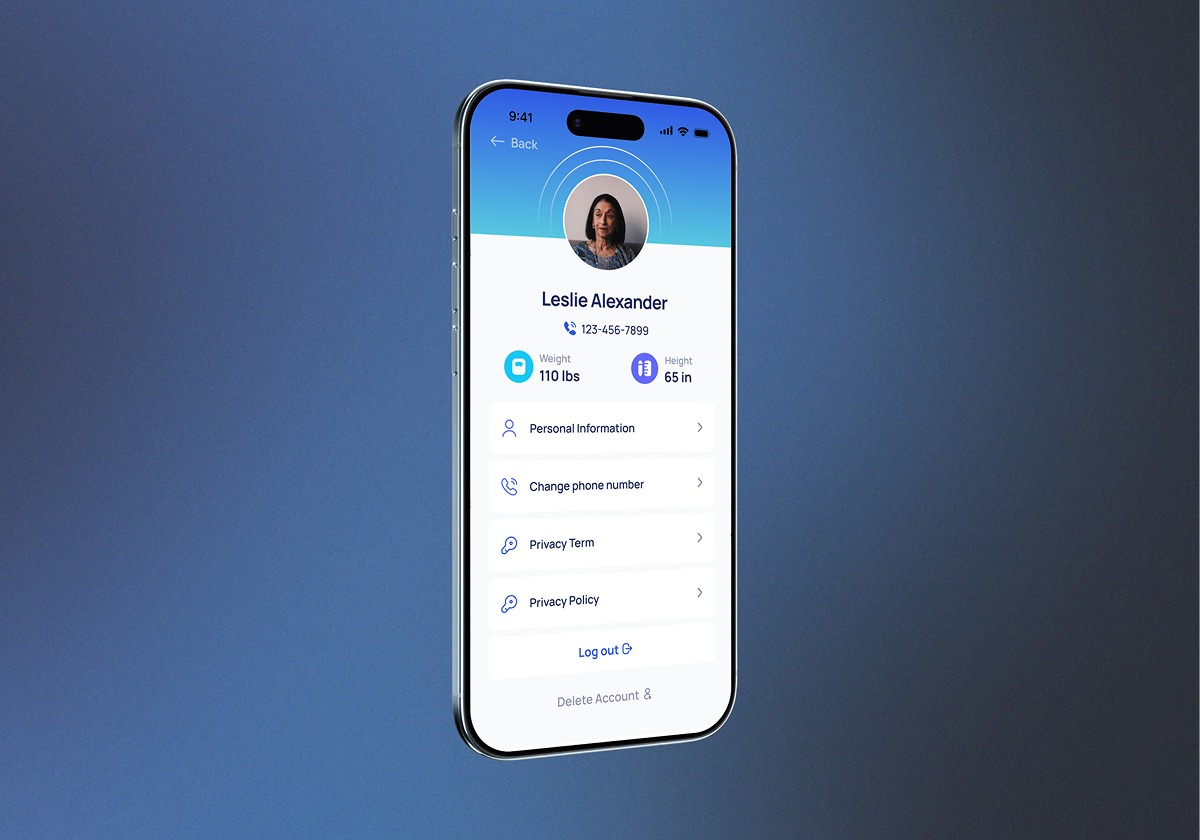
Adamo built a connected platform that links the three people involved in every monitoring case: the patient, the caregiver, and the clinician. Rather than a single app trying to serve everyone, the system uses three role-specific applications that share one data backbone:
- A mobile app for patients
- A mobile app for caregivers
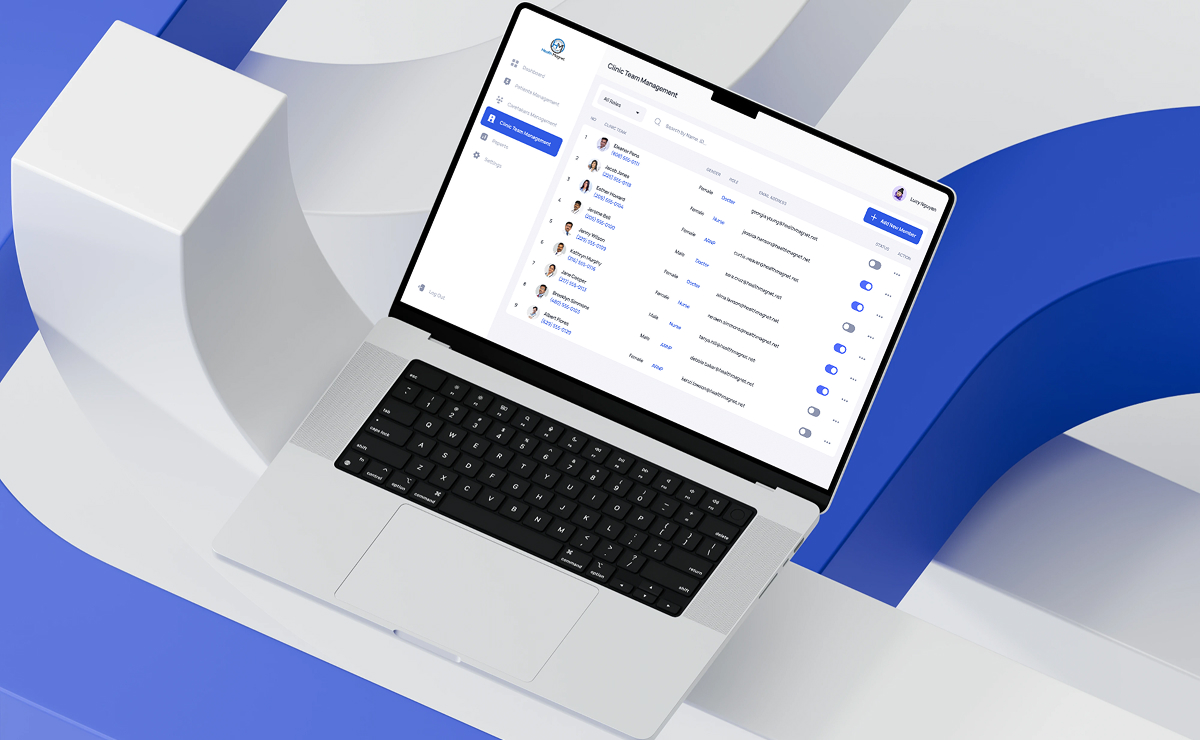
- A web app for clinicians
Each role sees only what is relevant to them, while the underlying vitals data stays consistent across all three. The result is a single source of truth for a patient’s status, accessible to the right person at the right time.
1. Reduction in hospital stays
By allowing patients to be monitored at home, ONEai Health eliminates the need for extended hospital stays, which can be costly and inconvenient for patients. This not only saves resources but also promotes a more comfortable and familiar environment for patients during their recovery or ongoing treatment.
2. Timely notifications it provides
The system continuously monitors the patient’s health situation and promptly alerts doctors and caregivers if any concerning changes occur. Thanks to this, healthcare professionals can intervene quickly and provide timely medical attention, potentially preventing the worsening of a condition or the need for emergency hospitalization. Furthermore, the ability to receive real-time updates ensures that patients receive the necessary care promptly, improving their overall health outcomes.
3. Bring convenience and improved patient experience
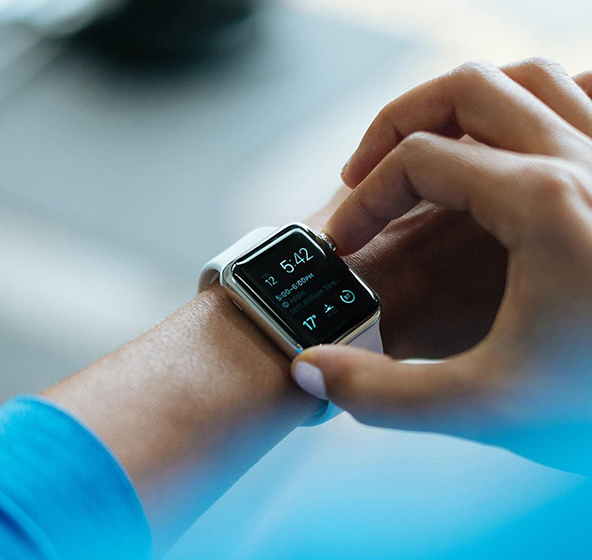
Patients can conveniently measure their health parameters using smartwatches or other wearable devices, eliminating the need for frequent visits to the hospital or clinic. This reduces the burden on healthcare facilities, especially for routine check-ups and monitoring.
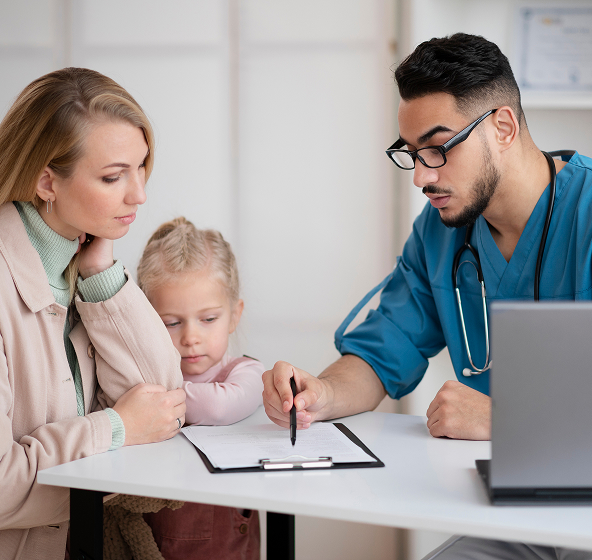
Additionally, the system is supervised by remote doctors who can monitor the patient’s health status from a distance, providing guidance and support as needed. So, patients can receive personalized care and attention from the comfort of their own homes.
III. Workflow: How ONEai Health Help Bridge the Gap Between Healthcare Providers and Patients
1. Wearable data capture
Patients use a smartwatch or compatible wearable to capture vital signs throughout the day, without manual logging or trips to a clinic for routine readings.
2. Secure transmission
Captured data is securely transmitted to the patient and caregiver mobile apps and the clinician web app, which act as the interface between the wearable and the central system.
3. Continuous tracking and threshold detection
The platform tracks readings over time and watches for values that move outside configured safe ranges, flagging trends and anomalies so that potential issues can be caught early rather than at the next appointment.
4. Real-time alerts
When a reading crosses a defined threshold, the system sends an immediate alert to the relevant caregiver and clinician, so that a response can begin without waiting for the patient to report a problem.
5. Remote clinician review
Clinicians access patient data from a centralized dashboard, review history and progress, and make informed decisions based on a complete record rather than a single snapshot.
6. Care adjustment and support
Based on what the data shows, clinicians can adjust care plans, update medication guidance, and keep patients on track toward their health goals, all remotely.
IV. Features that ONEai Health Use to Transform Users' Experiences
1. Mobile app for patients
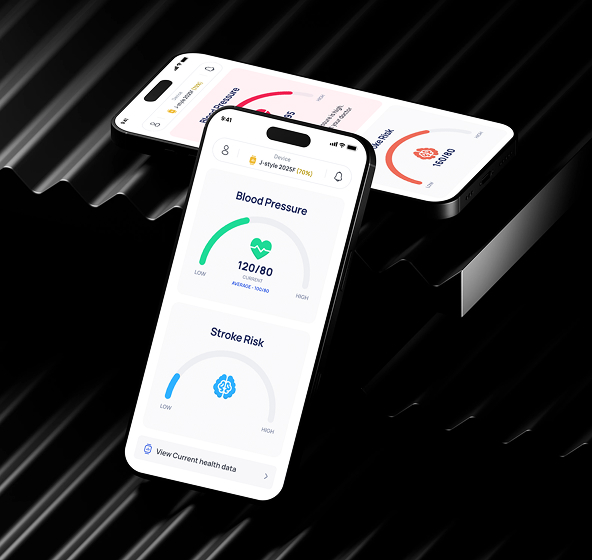
- Health data tracking for vital signs, with a clear at-a-glance status view
- Access to personal medical records, including results and care plans
- Real-time status indicators that turn red when a reading enters a danger range
- Wearable device sync for automatic data collection
- Quick access to emergency contacts and services
2. Mobile app for caregivers
- Remote monitoring of the patient’s status and vital signs
- Access to relevant patient information, including care plans and medication lists
- Emergency alerts and notifications when the patient’s condition changes
3. Web app for doctors
- Patient management and centralized medical records
- Clinical documentation for notes, progress reports, and care plans
- Reporting and analytics to review patient data and track trends over time
V. Results: A Feature-rich Remote Patient Monitoring System
The ONEai Health platform gives a US provider a practical way to deliver continuous care outside the clinic. By moving routine monitoring to the patient’s home, it reduces the need for unnecessary hospital stays and in-person check-ups, while the alerting layer helps care teams intervene earlier when something changes.
For patients, especially elderly and post-stroke patients, that means care that fits into daily life instead of disrupting it. For the provider, it means extending the reach of a limited care team without lowering the standard of attention each patient receives.






 Learn More

 Mobile
  Healthcare
  AU
AU 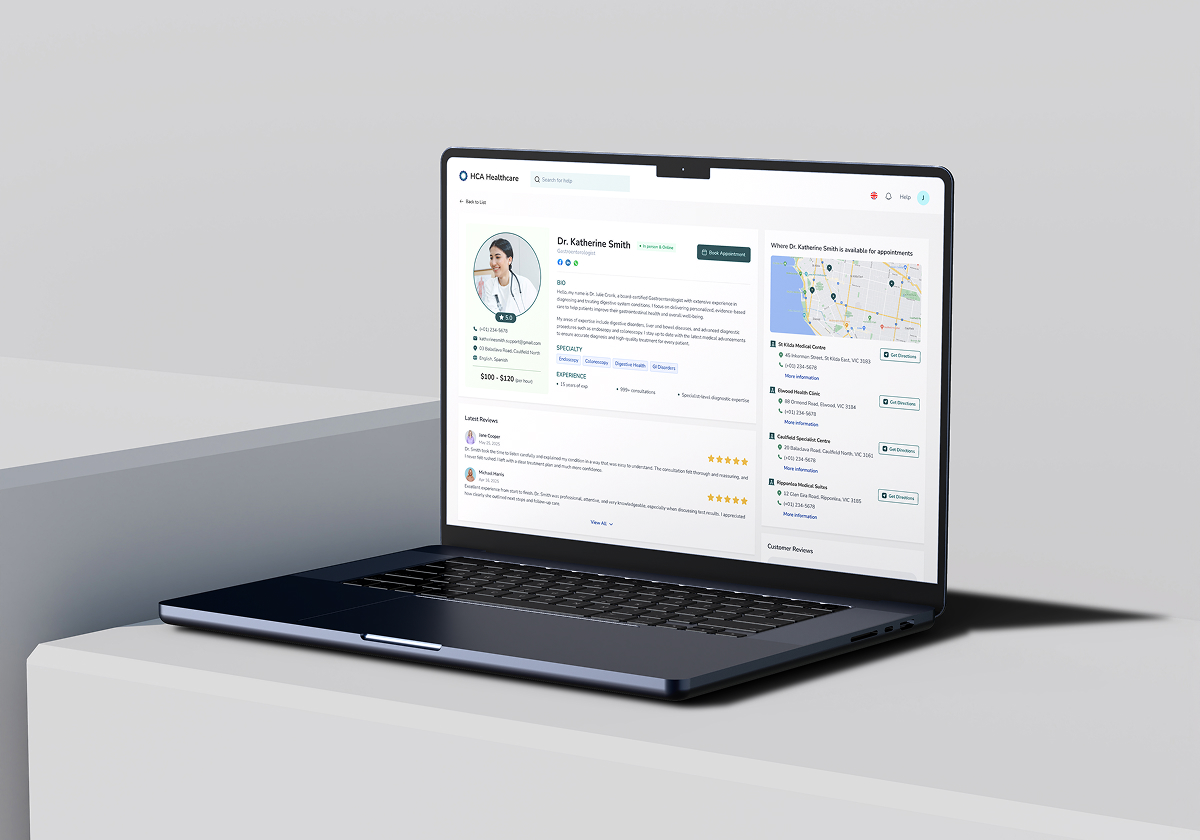
 Web
Web  AI
AI  EU
EU 
 Insurance
  Global